Reel
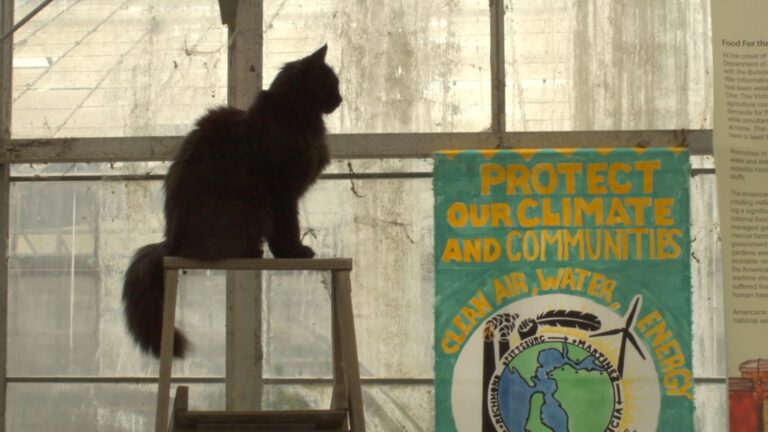


Documentary A Wild Idea is a documentary about Ecuador’s Yasuni ITT Proposal to fight climate change. The government would leave intact the vast oil reserves that lie beneath a pristine portion of the Amazon, as long as the world compensates the country with hundreds of millions of dollars. If accepted, this proposal would contribute to preserving biodiversity, avoiding carbon dioxide emissions, and respecting the rights of indigenous peoples and their way of life. A Wild Idea shows how an initiative that sounds utopian turned into an official proposal championed around the world. Directed by Veronica Moscoso 2011 Watch the whole film Watch the trailer of the film
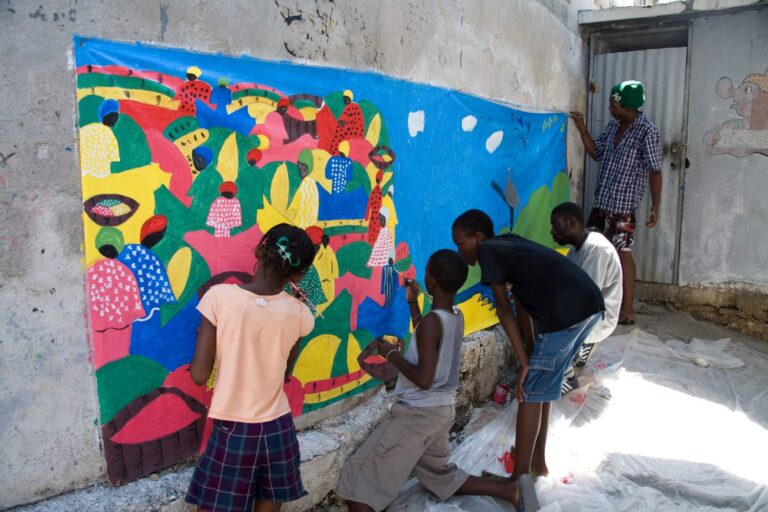
Testimonial. Kerry Rodgers, Give a Day Global Co-Founder, tells us her story. Give a Day Global Mission: We believe that all people should have access to education, healthy food, medical care, a sustainable environment, and economic opportunities. By connecting travelers with nonprofit organizations who pursue these same goals, we aim to engage more people in making the world a better place, one day at a time. https://www.youtube.com/watch?v=mcqfI4wHGmg
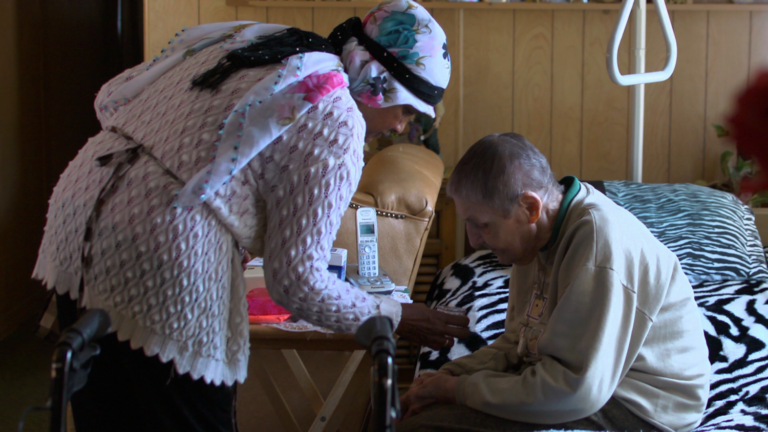
Elizabeth Smigiel, 88-years-old, “I have a care provider that helps me with everything. And she’s from the Fiji Islands. Well, we get along great and I like her. We have our little arguments every now and then but we laugh them off too. ‘We had our argument for the day,’ we say. And she’s still with me.”
In home care allows seniors to stay independent Read More »
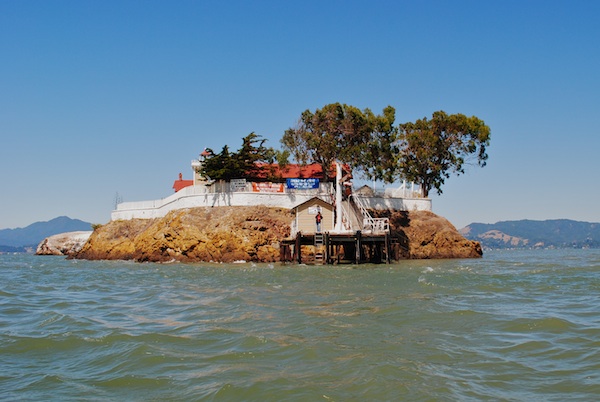
Since 1874, the Victorian lighthouse at East Brother Island has continued to be a landmark for sailors. “The light has to be on. If it’s not we have to tell the Coast Guard and there’s a back-up that comes on,” said Anne Witts, who together with her husband Ed, is the innkeeper at the lighthouse. As the innkeepers, the Witts have to take care of much more than just the light. Around 26 years ago, the East Brother Light Station became a bed and breakfast destination that receives guests from Thursday through Sunday; its earnings are used to maintain the facilities. For the last year and a half, the Witts have been working around the clock, keeping the light station alive. In 1971, the station was placed on the National Register of Historic Places—that saved it from being demolished and replaced by a light on a tower. It was falling apart from lack of funding to restore it, until the East Brother Light Station, Inc., a nonprofit corporation group, was formed 1979. Today, the restored structures at the station are still standing, but because they are more than 100 years old, they need constant attention and care. “We fix things every day,” said Ed Witts. Volunteers come on the second Saturday of every month and work on projects around the island. The volunteer board that meets once a month is constantly doing work, too. The bed and breakfast is a small and cozy place. Guests stay the night in one of the four bedrooms located in the lighthouse building, or at the one in the fog signal building. To get there, customers must make reservations in advance and are picked up by boat from Point San Pablo Yacht Harbor. From the harbor it takes ten minutes to get to the light station, and passengers can enjoy the marvelous views of the San Francisco skyline, Mount Tamalpais, and the Marin coastline. The experience at the bed and breakfast is definitely a unique getaway. Guests enjoy the views, the food, and get to know the other guests and innkeepers. They also get a tour of the island and the restored lighthouse and foghorn buildings. The original, 136-year-old foghorn is demonstrated for the guests every morning. However there’s an electric modern one inside the building that goes on all winter long. The only water at the island is rainwater collected on a cistern, and the island has its own sewer treatment plant. Only guests who are staying longer than one night are allowed to take showers. “If all guests were taking showers we would have to close,” said Anne. “We don’t have enough water.” Anne is the cook at the lighthouse. “When people are fed well, they are really happy and Anne feeds them really well,” said her husband fondly. Lighthouse guests are usually couples that are celebrating birthdays or anniversaries. “We do a romantic theme,” said Ed. “That’s what the lighthouse is known for.” As innkeepers, the Witts have Coast Guard licenses to be able to pilot a boat, and they have to do a lot of boating to keep the lighthouse running since everything has to be taken on and off the island. “We try to take all of the laundry and propane and garbage off at the end of our week and bring it all back at the beginning,” said Ed Witts. They also have to transport enough food for the guests and themselves. “We try not to make many extra trips because is very time consuming and expensive,” he said. The Witts have Tuesdays off, which they spend at their home in Pittsburg; the rest of the week the couple has their plate full innkeeping at the light station. When asked what happens if one of them gets sick, Anne said laughing, “We keep going—there is no ‘stop.’” The couple has loved their time at the light station. Anne, originally from Belgium, and Ed, from the Bay Area, actually met sailing in Italy. When they moved from Europe they applied for the job as innkeepers. They said that the job was a perfect fit for them, but they are ready to pass it on in four months when their contract expires. “If you keep doing it for too long, you can burn out,” Ed said. The Witts aren’t tired of the beautiful views and the ocean, though—when they are done with their work at the light station, said Anne, “We are going to take care of our house and then we’re going sailing for a few months.” Posted by Richmond Confidential on August 13, 2010
Living at the Lighthouse Read More »
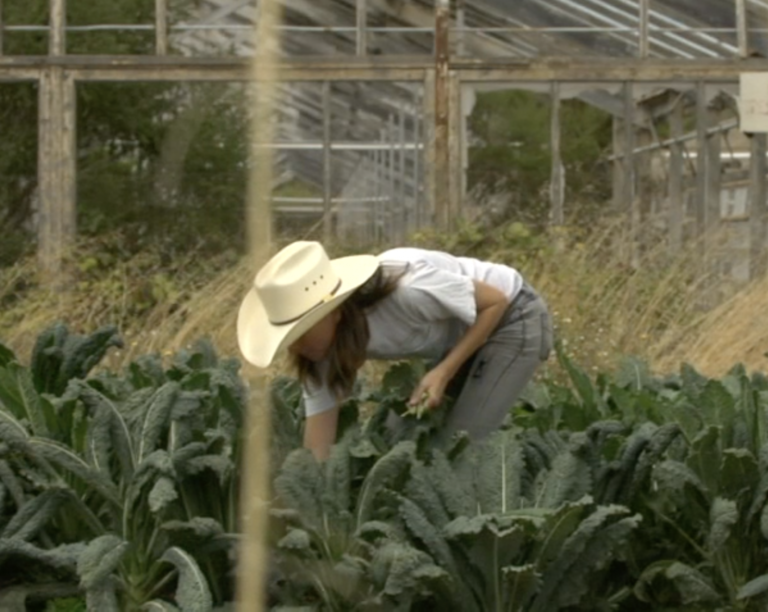
In this story we go to Sunnyside Organic Seedlings in Richmond where we met Pilar Reber who went from a pesticide applicator twenty years ago to the owner of a certified organic farm. Reber is now partnering with local non-profits to teach youth about organic farming methods.
From Fungicide to Organic Read More »
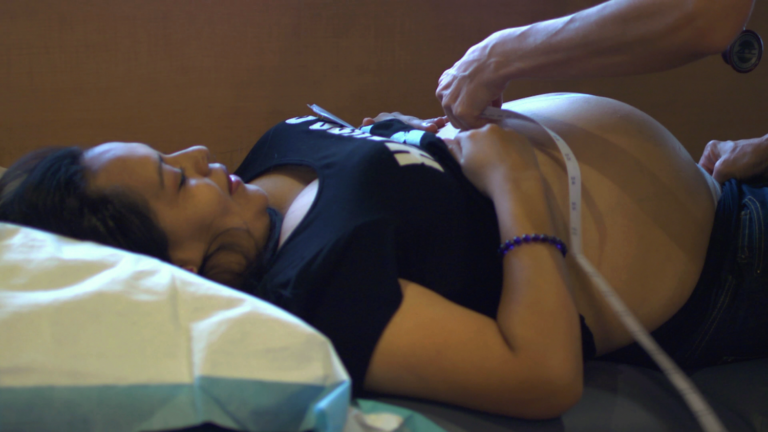
In this story we go to Life Long Medical Care in Berkeley, where we met Ana Maria Negrete five weeks from the due date of her first child. Negrete is a part of new model for pre-natal care called CenteringPregnancy — where expectant mothers participate in group checkups which provide support, education and health assessment. Studies show that this type of pre-natal care leads to better birth outcomes for both mother and child.
Group prenatal visits improve birth outcomes for mother and child Read More »